


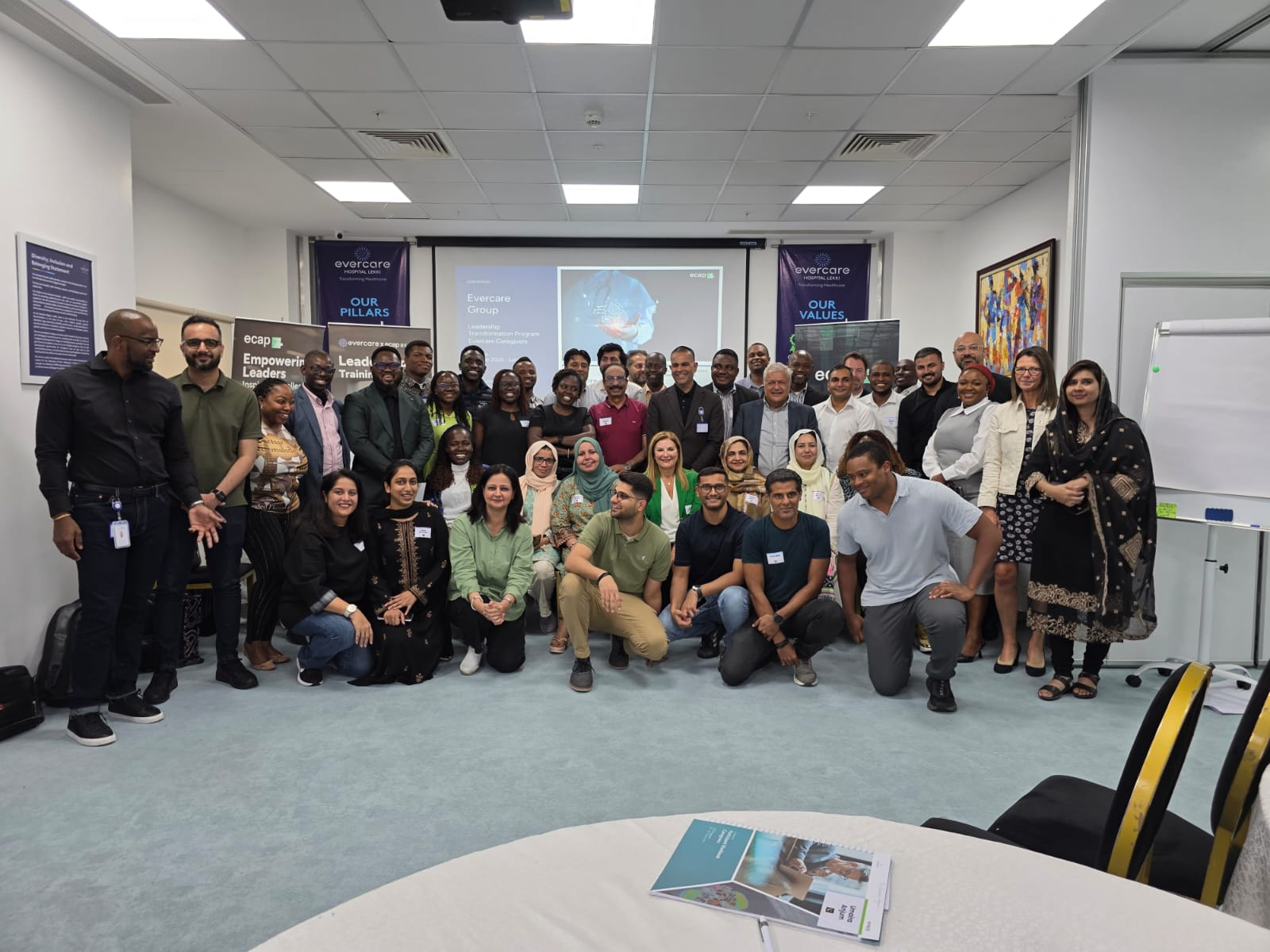
From Programs to Transformation: The Next Chapter of Leadership Development

Leadership development is experiencing a profound and necessary shift—one that moves far beyond traditional programs, workshops, and isolated learning interventions.
For decades, organizations have approached leadership development through structured courses, leadership seminars, and periodic training initiatives. While these efforts have often provided valuable knowledge and skill-building opportunities, they have frequently remained transactional in nature—focused on temporary learning rather than long-term transformation.
Today, this approach is no longer enough.
The Shift
Leadership development is no longer about simply running programs or delivering workshops. The true shift lies in building leadership as a continuous, living capability deeply embedded within the organization’s culture, strategy, and daily operations. Leadership must evolve from being an occasional initiative into an organizational ecosystem that continuously develops individuals to lead, adapt, and influence effectively.
This transformation reflects a larger redefinition of leadership itself.
Redefining Leadership
Leadership is no longer about hierarchy, authority, or title alone. It is about mindset, ownership, and influence at every level of the organization. In today’s rapidly evolving business landscape, organizations cannot afford to confine leadership to executive teams or senior management.
Instead, leadership must be cultivated across all levels, empowering individuals to take initiative, drive innovation, and lead through complexity regardless of formal position.
This means leadership development must move beyond being viewed solely as an HR function.
While HR remains an important enabler, leadership development must become a strategic business priority owned collectively by leadership teams, executives, and organizational decision-makers. It must be integrated into the core business strategy because future success depends not only on operational performance, but on the quality, adaptability, and resilience of leaders throughout the organization.
What Really Drives Transformation
At the heart of this next chapter is understanding what truly drives transformation.
Programs alone do not transform organizations.
People do.
Coaching has emerged as one of the most essential leadership capabilities in this new era. Effective coaching strengthens self-awareness, trust, resilience, accountability, and strategic thinking—critical attributes for modern leaders navigating uncertainty and change. Coaching moves leadership development from knowledge acquisition into meaningful behavioral and mindset transformation.
The Role of AI and Human Connection
Artificial intelligence is reshaping the way organizations approach learning and development.
AI offers extraordinary potential to personalize learning experiences, accelerate knowledge delivery, and provide scalable development solutions. However, while AI can significantly enhance leadership learning, it cannot replace the deeply human elements required for true transformation.
Human transformation is driven by mindset, trust, connection, and authentic relationships.
These are the dimensions where real leadership growth occurs—through conversations, reflection, emotional intelligence, and the ability to inspire others. Technology can strengthen leadership development, but sustainable transformation will always depend on human-centered leadership.
The Real Question
This reality demands that organizations ask a far more powerful question.
Rather than asking, “What leadership program should we run next?”
Organizations must begin asking:
“What leaders does our future require?”
This shift in questioning changes everything.
It moves leadership development from a focus on short-term activities to long-term capability building. It encourages organizations to think strategically about the kinds of leaders they need to navigate disruption, innovation, cultural evolution, and sustained business success.
The future belongs to organizations that intentionally develop leaders who can think differently, lead courageously, foster trust, and create transformation from within.
Because transformation does not come from programs.
Transformation comes from people who lead differently.
This is the next chapter of leadership development: a move from fragmented initiatives to integrated transformation, from hierarchy to distributed leadership, from training to coaching, and from transactional learning to sustainable human growth.
Organizations that embrace this evolution will not simply develop better leaders.
They will build stronger futures.