


Trust: The Invisible Currency That Holds Everything Together
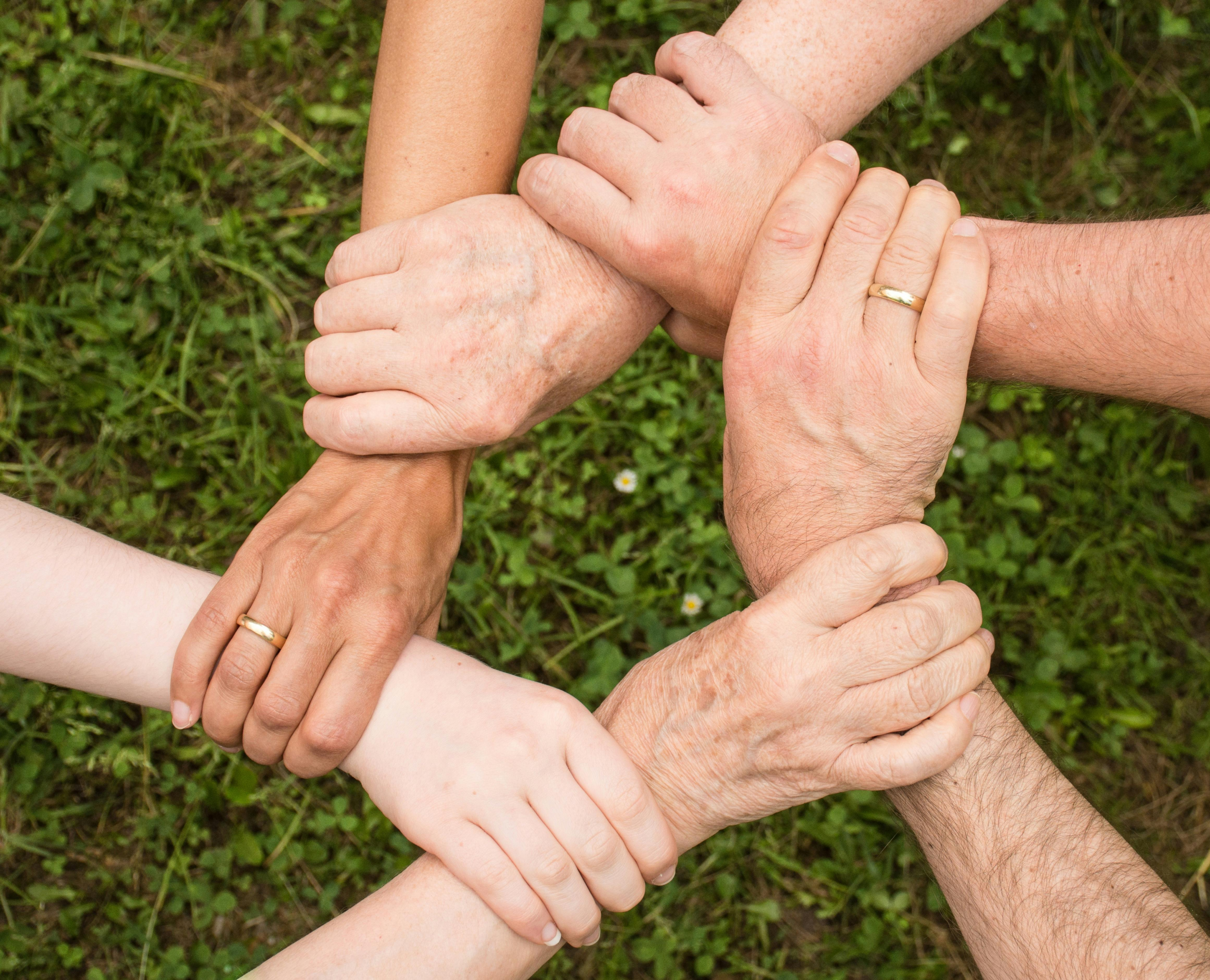
rust is one of those words everyone uses and few truly examine—until it’s missing. In leadership, organizations, relationships, and even societies, trust operates like invisible infrastructure. You don’t notice it when it’s working, but when it cracks, everything feels heavier, slower, and more fragile. In a world defined by volatility, uncertainty, and constant change, trust is no longer a “soft” skill. It is a strategic necessity.
At its core, trust is the willingness to be vulnerable. It is the belief that the other person—or system—will act with integrity, competence, and good intent, even when there is risk involved.
In leadership contexts, trust shows up when people:
• Speak openly without fear of punishment
• Take initiative without waiting for permission
• Admit mistakes instead of hiding them
• Stay engaged even during difficult transitions
Trust is not about being nice. It is about being reliable, transparent, and human.
The pace of change has accelerated dramatically. Hybrid work, global teams, AI, restructuring, and continuous transformation mean leaders can no longer rely on control, proximity, or hierarchy.
When trust is present:
When trust is absent:
Trust is the difference between compliance and commitment.
A common misconception is that trust is created during crisis. In reality, crisis only reveals the level of trust that already exists.
Leaders who have consistently demonstrated integrity, clarity, and care before difficult moments are more likely to be followed when things get tough. Those who relied on authority or charisma alone often struggle when certainty disappears..
During crisis, trust is strengthened—or damaged—by how leaders:
People don’t expect leaders to have all the answers. They expect them to be real.
Trust does not come from titles. It comes from behavior—especially the small, repeated actions that signal consistency over time.
Key trust-building behaviors include:
While leaders play a critical role, trust is co-created. Teams that actively contribute to trust:
Trust grows when responsibility is shared, not outsourced upward.
If trust were measured daily in your team or organization, what would today’s score be—and why? More importantly: What is one small behavior you could change tomorrow to increase it? Because trust is not built through grand gestures. It is built—or broken—in moments.
Trust is not a leadership add-on. It is the foundation. When trust is strong, people dare to think bigger, act braver, and stay longer. When it is weak, even the best strategies struggle to survive.
In times of stability, trust is an advantage. In times of crisis, it is everything.
Trust first. Everything else follows.